

Key takeaways:
- The Importance of Proper School Medicaid Documentation for Compliance
- Best Practices for Medicaid Documentation
- Common Compliance Pitfalls and How to Avoid Them
- The Role of Leadership in Ensuring Compliance
For K-12 school districts, providing critical health-related services to students often involves navigating the complexities of Medicaid reimbursement. While Medicaid funding can significantly bolster school resources, compliance with documentation requirements is crucial to avoid penalties, reimbursement denials, or even legal challenges. This guide outlines best practices to ensure your district stays compliant while efficiently supporting student needs.

The Importance of Proper School Medicaid Documentation for Compliance
Medicaid reimbursement is available for school-based services such as speech therapy, occupational therapy, counseling, and nursing. These services help students with disabilities access free and appropriate public education (FAPE) under the Individuals with Disabilities Education Act (IDEA). However, the requirements for documenting these services are strict to ensure accountability and appropriate use of public funds.
Non-compliance can result in severe consequences, including:
By establishing and following robust documentation practices, districts can safeguard funding and ensure services are delivered effectively.
Best Practices for Medicaid Documentation
Medicaid documentation requirements vary by state, but all must align with federal guidelines. Key areas to address include:
Stay updated on changes in state and federal regulations by regularly consulting your state Medicaid agency’s guidance and collaborating with experts.
Effective training is vital for maintaining compliance. Ensure that staff members understand:
Regular refresher training can help reinforce these practices and adapt to evolving requirements.
Adopting digital tools can streamline Medicaid documentation and reduce errors. Consider implementing:
Technology not only enhances efficiency but also supports compliance by providing detailed and organized records.
Developing standardized policies ensures consistency in documentation. Key components include:
Clearly communicate these policies to all relevant staff and include them in your district’s training programs.
Proactive auditing helps identify potential compliance issues before they escalate. Key steps include:
Internal audits demonstrate a commitment to compliance and can help mitigate risks in the event of an external audit.
Maintaining compliance requires input from various stakeholders. Collaborate with:
Fostering open communication among stakeholders promotes a culture of accountability and transparency.
Common Compliance Pitfalls and How to Avoid Them
Even with best practices in place, districts can encounter challenges. Here are common pitfalls and strategies to address them:
By anticipating these issues and addressing them proactively, districts can maintain compliance and ensure uninterrupted funding.
The Role of Leadership in Ensuring Compliance
Administrators play a critical role in fostering a culture of compliance. As leaders, you can:
Your leadership ensures that compliance is not just a requirement but a shared commitment across the district.
Conclusion
Medicaid documentation for school-based services is a critical responsibility for K-12 districts. By understanding requirements, training staff, leveraging technology, and fostering collaboration, districts can avoid compliance pitfalls and maximize funding. With the right practices in place, you can focus on what matters most: providing essential services to students and supporting their success.
By staying proactive and committed to compliance, your district can navigate the complexities of Medicaid documentation with confidence and integrity. out to the New Mexico HSD or consult with professional organizations dedicated to advancing Medicaid services in education.
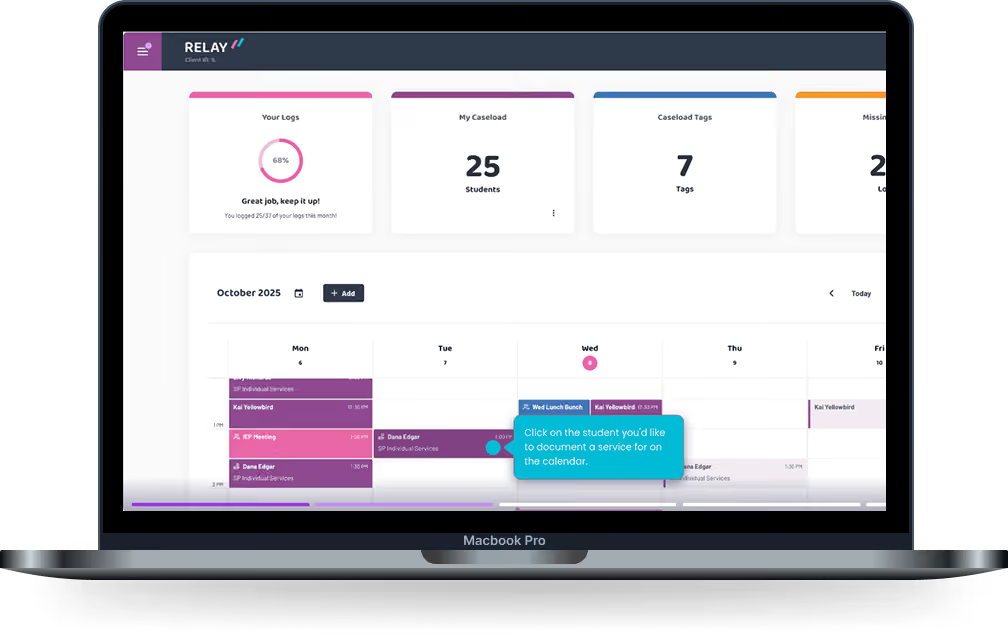
Interested in making data entry and collection easier to up your compliance game in your school district? Reach out to Relay—your School Medicaid Billing Software specialists.
Subscribe to Our Newsletter
Get practical tips and the latest insights on special education and school-based Medicaid, delivered straight to your inbox.
Related Posts

Medicaid is an essential program that provides vital health services to millions of children across the United States.


In New Mexico, school districts have a unique opportunity to enhance the well-being of students by leveraging Medicaid to cover preventative services.
Give your team their time back
See how Relay makes special services simpler from the first log to the last claim.